Get Tuckpointing in Seattle, WA
Tuckpointing services for Seattle-area property owners repair and restore brick and mortar by fixing cracks, deteriorated mortar, and damaged joints on historic or modern buildings.
If you're considering tuckpointing for a property in Seattle, WA, you're in the right place to explore your options. Tuckpointing is an important maintenance task that can help preserve the structural integrity and appearance of brick and masonry surfaces. Property owners often seek this work to address mortar deterioration, prevent water intrusion, and enhance curb appeal-especially in a climate like Seattle’s, where moisture can accelerate wear on masonry materials. Comparing local service providers can ensure you find experienced contractors who understand the specific needs of properties in the area.
Continuing your research can lead to identifying qualified professionals capable of handling tuckpointing projects effectively. Whether you're working on a historic building or a residential property, finding the right local contractors involves evaluating their experience, reputation, and ability to meet your property’s unique requirements. Keep reading to learn more about how to connect with skilled service providers who can help maintain and improve your property’s masonry work.
- Brick and Masonry Restoration - when the mortar between bricks in neighborhoods like Capitol Hill or Queen Anne begins to deteriorate.
- Cracked or Damaged Mortar Joints - when visible cracks or gaps appear in the mortar of historic buildings in downtown areas.
- Water Damage Prevention - for homes or commercial properties in rainy Seattle neighborhoods experiencing moisture infiltration.
- Aesthetic Improvements - when homeowners want to enhance the appearance of their brick facades in residential districts.
- Structural Stability Repairs - for buildings showing signs of shifting or settling that require tuckpointing to maintain safety.
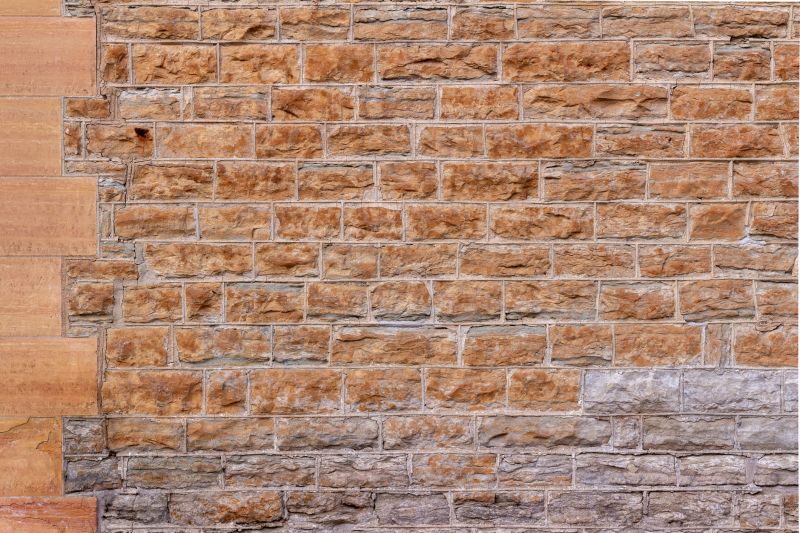
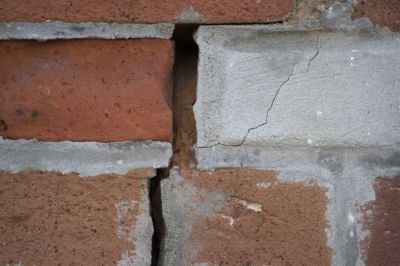
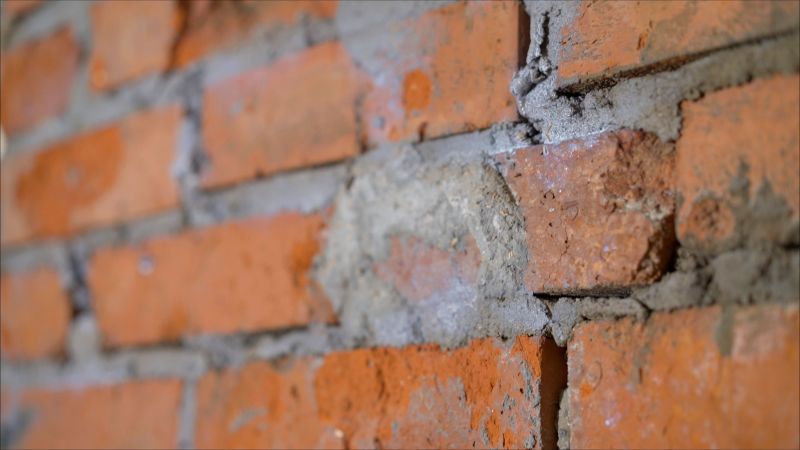
Tuckpointing services involve the careful process of repairing and restoring the mortar joints between bricks or stones on a building’s exterior. This work typically includes removing damaged or deteriorated mortar and replacing it with fresh material that matches the original in color and texture. Proper tuckpointing not only enhances the appearance of a property but also helps protect the structure from water infiltration and weather-related damage. Skilled contractors use specialized tools and techniques to ensure that the repairs blend seamlessly with the existing masonry, preserving the building’s overall aesthetic.
Many common problems prompt property owners to seek tuckpointing services. Over time, mortar can weaken, crack, or crumble due to exposure to moisture, temperature fluctuations, and age. When mortar deteriorates, it can lead to gaps and openings that allow water to seep into the walls, potentially causing further damage such as brick spalling or interior issues. Cracked or missing mortar also diminishes the structural integrity of the masonry, increasing the risk of bricks shifting or falling. Addressing these issues early with professional tuckpointing can prevent costly repairs and maintain the stability of the property.
Tuckpointing is frequently needed on a variety of properties, including historic buildings, residential homes, and commercial structures. Older homes with brick facades often require regular maintenance to keep their appearance and structural soundness. Commercial buildings with brick exteriors may also benefit from tuckpointing to uphold their curb appeal and protect their investment. Additionally, properties that have experienced weather-related damage or settling may need tuckpointing to repair cracks and restore the integrity of the masonry. Local contractors can assess each property’s specific needs and recommend appropriate solutions to keep masonry in top condition.
Homeowners and property managers should consider tuckpointing when noticing visible cracks, crumbling mortar, or signs of water infiltration around brickwork. These issues not only affect the visual appeal but can also lead to more serious structural problems if left unaddressed. Tuckpointing is a practical solution for maintaining the durability and appearance of masonry surfaces, especially in climates like Seattle’s, where moisture exposure is common. Connecting with experienced local service providers ensures that the work is done properly, helping to preserve the longevity and value of the property for years to come.
The overview below groups typical Tuckpointing projects into broad ranges so you can see how smaller, mid-sized, and larger jobs often compare in Seattle, WA.
In many markets, a large share of routine jobs stays in the lower and middle ranges, while only a smaller percentage of projects moves into the highest bands when the work is more complex or site conditions are harder than average.
Smaller Repairs - Typical costs for minor tuckpointing work, such as fixing small cracks or chipped mortar, generally range from $250-$600. Many routine jobs fall within this middle range, depending on the extent of the damage and the number of joints involved.
Moderate Projects - Larger areas requiring more extensive tuckpointing, such as restoring sections of brickwork, often cost between $600-$2,000. These projects are common for homeowners seeking to improve the appearance and durability of their masonry.
Full Repointing - Complete removal and replacement of mortar in a standard-sized wall can range from $2,000-$5,000. Fewer projects reach into this higher tier, typically involving more complex or historic masonry work.
Full Masonry Replacement - Larger, more complex projects, including replacing entire sections of brick or stone, can exceed $5,000 and may reach $10,000+ depending on size and scope. Such extensive work is less frequent and usually reserved for significant structural repairs or historic restorations.
Actual totals will depend on details like access to the work area, the scope of the project, and the materials selected, so use these as general starting points rather than exact figures.
Masonry Restoration - local contractors skilled in restoring and repairing brick and stone structures, which shares techniques used in tuckpointing to preserve building integrity.
Bricklaying and Masonry Repair - professionals experienced in laying bricks and repairing mortar joints, closely related to tuckpointing work on historic and new masonry projects.
Chimney Repointing - specialists who focus on renewing mortar joints in chimneys, utilizing similar skills and tools as tuckpointing to ensure stability and appearance.
Stonework Restoration - service providers who work on restoring and maintaining stone facades, requiring expertise in mortar matching and precise joint work.
Exterior Wall Restoration - local contractors who repair and restore exterior masonry walls, often involving tuckpointing to improve durability and aesthetics.
Historic Building Preservation - experts involved in maintaining and restoring historic structures, using techniques similar to tuckpointing to match original mortar joints.
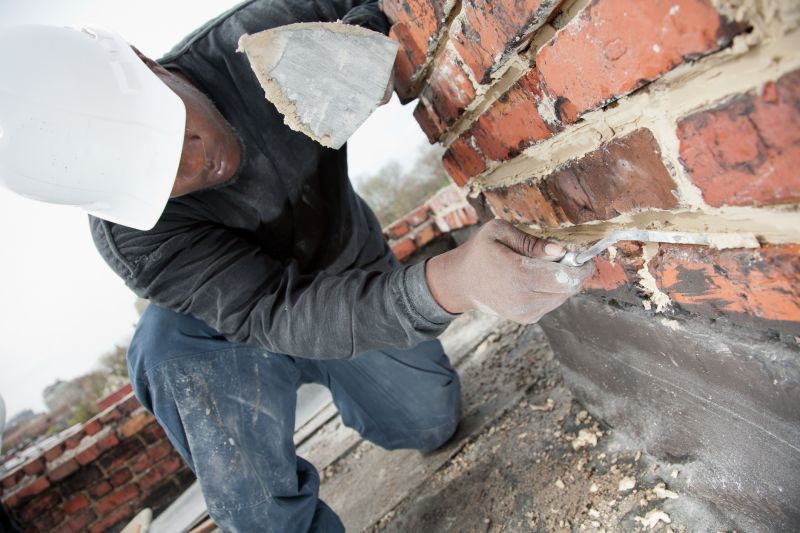
When evaluating Tuckpointing service providers, it’s important to consider their experience with similar projects in the local area. Homeowners should inquire about the contractors’ background in handling tuckpointing work on structures comparable to their own, whether it’s historic brickwork or newer masonry. A contractor’s familiarity with local building styles, climate considerations, and common issues can contribute to a more effective and durable repair. Asking for examples of past projects or references from previous clients can help gauge their expertise and ensure they have a track record of successful tuckpointing work in the community.
Clear, written expectations are essential to ensure both parties are aligned on the scope of work and project details. Homeowners should seek out service providers who can provide detailed proposals or written estimates that outline the work to be performed, materials to be used, and any specific considerations related to the project. Having these expectations documented helps prevent misunderstandings and provides a basis for accountability. When reviewing options, it’s wise to ask how the contractor communicates project details and updates, as good communication can make the process smoother and more transparent.
Reputable references and strong communication are key indicators of a reliable contractor. Homeowners should ask potential service providers for references from recent clients, especially those who had similar tuckpointing projects. Reaching out to these references can provide insights into the contractor’s professionalism, reliability, and quality of work. Additionally, paying attention to how well the contractor listens and responds during initial conversations can reveal their level of communication. Service providers who are responsive, clear, and attentive to questions are more likely to deliver a positive experience and satisfactory results for the project.
Property owners in Seattle, WA use Tuckpointing services for practical projects around their homes and businesses. This guide focuses on everyday jobs and straightforward project options.
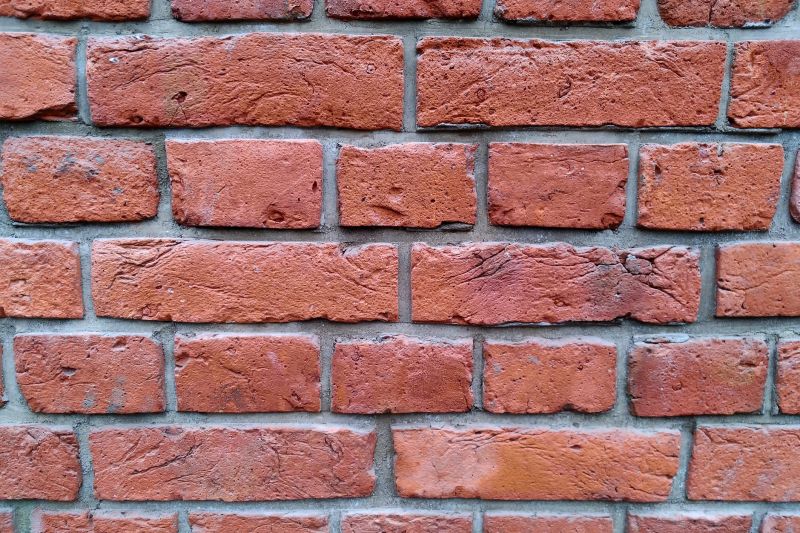
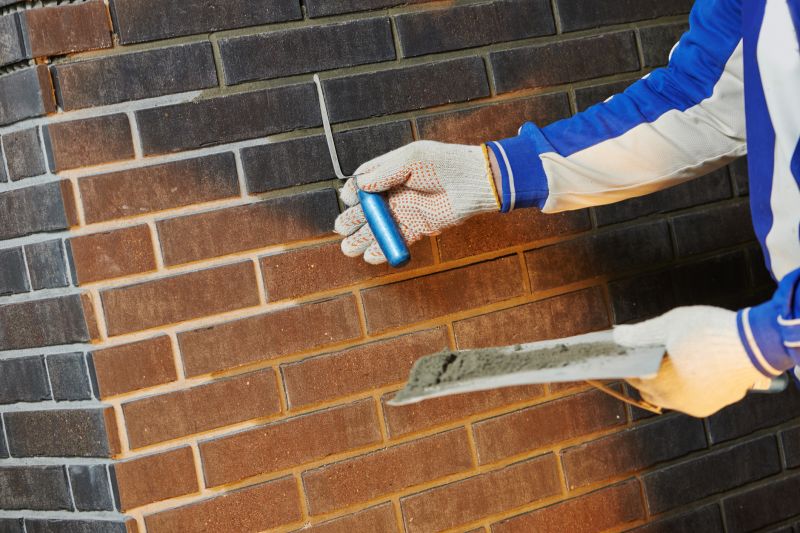
Tuckpointing services are often sought by property owners in Seattle who notice crumbling or deteriorating mortar joints on their brick or stone exteriors. Over time, exposure to rain, moisture, and temperature fluctuations can cause mortar to weaken, leading to potential structural issues or water intrusion. Local contractors can assess the condition of masonry and perform repairs that restore the integrity and appearance of the building’s façade, helping to prevent further damage and maintain property value.
Additionally, many property owners look for tuckpointing work when preparing buildings for sale or simply aiming to improve curb appeal. In neighborhoods where historic brick buildings are common, maintaining the original look is important, and experienced service providers can carefully restore mortar lines to match the existing style. Whether addressing minor cracks or significant deterioration, local masonry specialists can handle a range of projects to keep properties safe, attractive, and well-maintained.
What is tuckpointing? Tuckpointing is a masonry technique that involves repairing or replacing mortar joints in brick or stone walls to improve their appearance and structural integrity.
Why should I consider tuckpointing for my property? Tuckpointing helps prevent water infiltration, reduces damage caused by weather, and can enhance the overall look of a building’s exterior.
How do I find qualified contractors for tuckpointing services? Local service providers specializing in masonry or brickwork can be contacted through lead generation platforms to compare options and connect with experienced contractors.
What types of buildings typically need tuckpointing? Residential homes, historic buildings, commercial properties, and other structures with brick or stone exteriors may require tuckpointing to maintain their condition.
What signs indicate that tuckpointing might be needed? Visible cracks, crumbling mortar, water leaks, or deterioration around brick joints are common signs that tuckpointing services may be necessary.
Restoring Brick and Masonry - Property owners can improve the appearance of their building by having experienced contractors repair or replace damaged tuckpointing on brick walls.
Sealing Exterior Masonry - Tuckpointing services can help protect foundations and exterior walls from moisture infiltration, reducing potential damage from rain or snow.
Repointing Chimneys - Homeowners may choose to have local contractors refresh mortar joints on chimneys to maintain safety and prevent structural issues.
Maintaining Historic Buildings - Preservation of older properties can involve tuckpointing work to retain authentic brickwork and uphold the building’s character.
If you are thinking about Tuckpointing for a property in Seattle, WA, this guide is meant to help you understand the work, the typical project types, and how different options might fit your plans.
When you are ready, you can use the quote form on this page to share a few details about your project. From there, local pros can review the basics and respond with options that match what you have in mind.