Brick vs. Stone Tuckpointing: Key Differences for Commercial Projects
People searching for brick vs. stone tuckpointing: key differences for commercial projects are often looking to improve masonry durability and appearance, and local contractors can help determine the best approach for their needs.
Understanding the differences between brick and stone tuckpointing is essential for property owners involved in commercial projects. Whether restoring historic facades or updating building exteriors, choosing the right tuckpointing method can impact both the appearance and longevity of the structure. Property owners in the area often explore this topic to ensure their investment is protected and that the aesthetic aligns with their vision. Local contractors who specialize in brick and stone tuckpointing can provide valuable insights into which approach best suits specific building materials and project goals, helping owners make informed decisions.
As commercial properties age, the need for repair and restoration becomes more apparent, making an understanding of brick versus stone tuckpointing even more practical. Each material presents unique challenges and benefits, influencing how repair work is approached and executed. Property owners seeking reliable solutions can connect with local service providers experienced in both techniques, ensuring the right methods are applied to preserve structural integrity and visual appeal. Keeping informed about these key differences supports smarter maintenance choices and long-term property value.
- Commercial brick structures - when buildings require tuckpointing to maintain their aesthetic and structural integrity, local contractors assess the type of brick and recommend suitable repair techniques.
- Stone facades on commercial properties - for projects involving natural stone, local service providers focus on preserving the stone’s appearance while addressing mortar deterioration.
- Restoration of historic brick or stone buildings - specialists evaluate the original materials and methods to ensure repairs match the building’s character, using appropriate tuckpointing approaches.
- Expansion or renovation projects involving brick or stone walls - contractors tailor tuckpointing strategies to match existing materials, ensuring seamless integration with new construction.
- Commercial masonry repair jobs - local pros determine whether brick or stone tuckpointing is necessary based on the building’s material and condition, applying techniques suited to each.
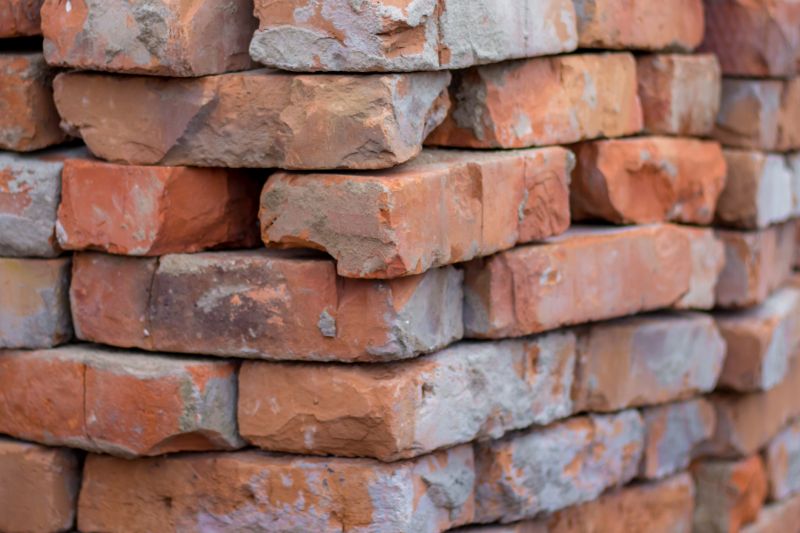
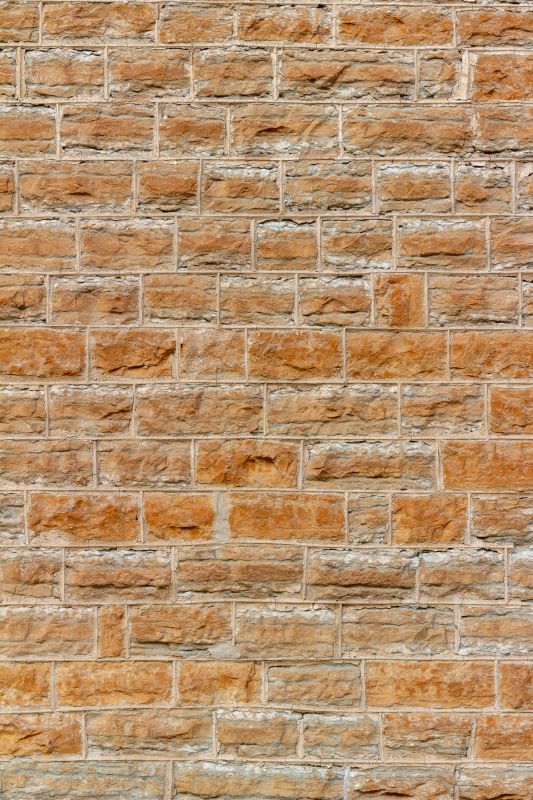
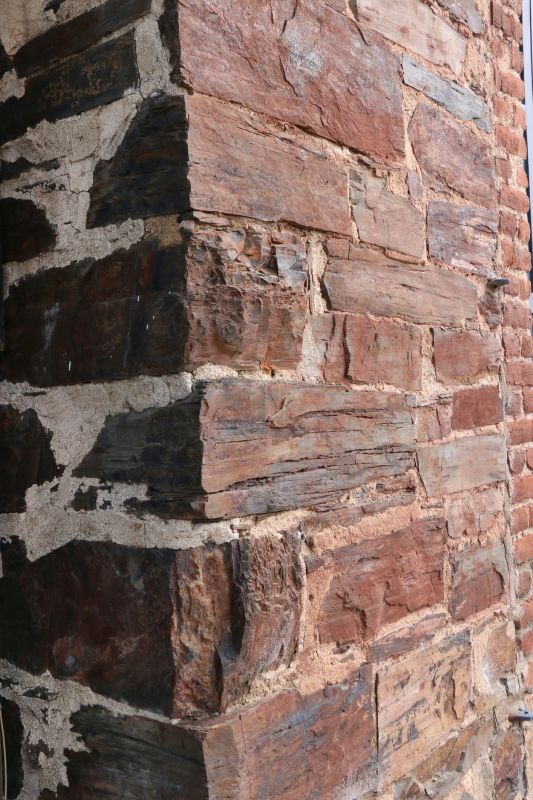
When searching for information about brick vs. stone tuckpointing for commercial projects, most people are seeking to understand the fundamental differences between these two types of masonry repair techniques and how those differences impact their building’s appearance, durability, and overall maintenance needs. This topic often comes up when property owners or managers notice deterioration in their exterior walls or want to improve the structural integrity and aesthetic appeal of their commercial properties. The focus is usually on how the choice between brick and stone tuckpointing can influence long-term costs, the suitability of materials for specific building types, and the visual consistency with existing architecture. Understanding these distinctions helps property owners make informed decisions about repairs or upgrades, ensuring the right techniques are used for their particular projects.
Problems that lead to exploring brick vs. stone tuckpointing typically involve deteriorating mortar joints, cracked or crumbling masonry, or signs of water infiltration that threaten the stability of the structure. Many commercial properties-such as office buildings, retail centers, warehouses, or historic facades-require tuckpointing to restore their exterior surfaces and prevent further damage. Plans may include replacing old mortar, matching new mortar to existing materials, or enhancing the overall appearance of the building’s façade. These projects often involve working with specialists who understand the nuances of brick and stone masonry, as different materials demand different techniques and tools. Local service providers who focus on tuckpointing can evaluate the property’s condition and recommend the most appropriate approach based on the type of masonry involved.
Commercial properties that typically come up in discussions about brick vs. stone tuckpointing include a wide range of structures where durability and aesthetics are priorities. Brick buildings are common in urban settings, featuring multi-story office complexes, retail storefronts, and apartment complexes. Stone facades are often found on historic buildings, government structures, or high-end retail centers that require a more substantial, classic look. These properties usually have exposed masonry that contributes significantly to the building’s character and value. When planning tuckpointing for such properties, property owners seek local contractors experienced in working with both brick and stone to ensure repairs blend seamlessly with existing materials and meet the building’s functional needs.
Choosing between brick and stone tuckpointing involves understanding the specific characteristics of each material. Brick tends to be more uniform in appearance, easier to work with, and generally less expensive to repair or replace. It also offers a wide variety of colors and textures, making it versatile for different architectural styles. Stone, on the other hand, provides a more natural and historic look, often requiring specialized techniques to match the original mortar and stonework. Local masonry contractors can assess the property’s current condition and advise on the best approach based on the material type, structural requirements, and aesthetic goals. Properly executed tuckpointing ensures that the building remains structurally sound and visually appealing, whether using brick or stone.
Masonry Restoration Projects - Skilled contractors often handle masonry restoration that involves repairing and restoring brick and stone surfaces, requiring similar planning and skill as tuckpointing for commercial buildings.
Facade Repair and Renovation - Commercial facade projects frequently involve replacing or repairing mortar joints, making them comparable in technique and material selection to brick vs. stone tuckpointing services.
Brick and Stone Wall Construction - Building new brick or stone walls involves understanding mortar application and joint finishing, which are essential skills also used in tuckpointing work.
Chimney and Fireplace Restoration - Restoring or repointing chimneys and fireplaces requires expertise in mortar work, similar to the skills needed for tuckpointing in commercial projects.
Structural Masonry Reinforcement - Reinforcing or stabilizing existing masonry structures involves detailed mortar work, aligning closely with the techniques used in tuckpointing for brick and stone surfaces.
Historic Building Preservation - Preserving historic brick and stone structures demands careful matching of mortar and joint work, making it a related project type that benefits from similar skills and planning as tuckpointing services.
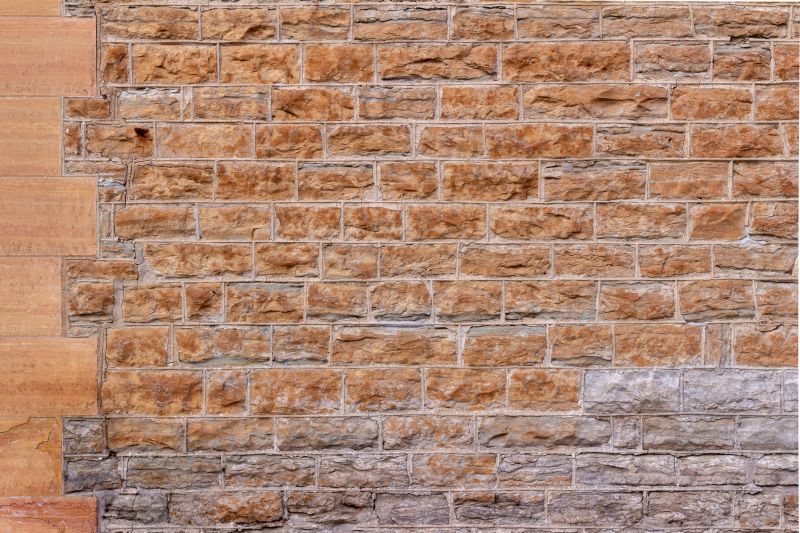
When comparing local contractors for brick vs. stone tuckpointing, it is essential to evaluate their experience with similar commercial projects. Tuckpointing involves detailed work that can vary significantly depending on the material-brick or stone-and the specific requirements of the structure. Service providers who have successfully handled projects of comparable scope and material type are more likely to understand the nuances involved, ensuring the work is performed correctly and efficiently. Asking for examples of past projects or references can help gauge their familiarity with the unique challenges that come with each material, providing confidence in their ability to meet your project’s demands.
Clear, written expectations are a vital component when selecting a contractor for tuckpointing services. This includes detailed descriptions of the work scope, the materials to be used, and the standards for quality and finish. Having these expectations documented helps prevent misunderstandings and ensures that both parties are aligned from the outset. When comparing local contractors, it’s beneficial to review how thoroughly they communicate their approach and whether they provide comprehensive proposals that address the specifics of brick vs. stone tuckpointing. This clarity can lead to smoother project execution and a more predictable outcome.
Reputable references and strong communication are key indicators of a reliable service provider. Contractors who can furnish references from previous clients-particularly those with projects similar in size and material-offer insight into their professionalism and work quality. Good communication throughout the process, including responsiveness and transparency, helps address questions or concerns promptly, reducing the likelihood of surprises. When considering local pros for brick vs. stone tuckpointing, prioritizing those with positive feedback and clear, ongoing dialogue can contribute to a successful project tailored to the unique aspects of each material type.
Property owners often search for brick vs. stone tuckpointing: key differences for commercial projects when they are planning practical projects around their homes and businesses. Local pros provide Brick vs. Stone Tuckpointing services for everyday jobs and straightforward project options.
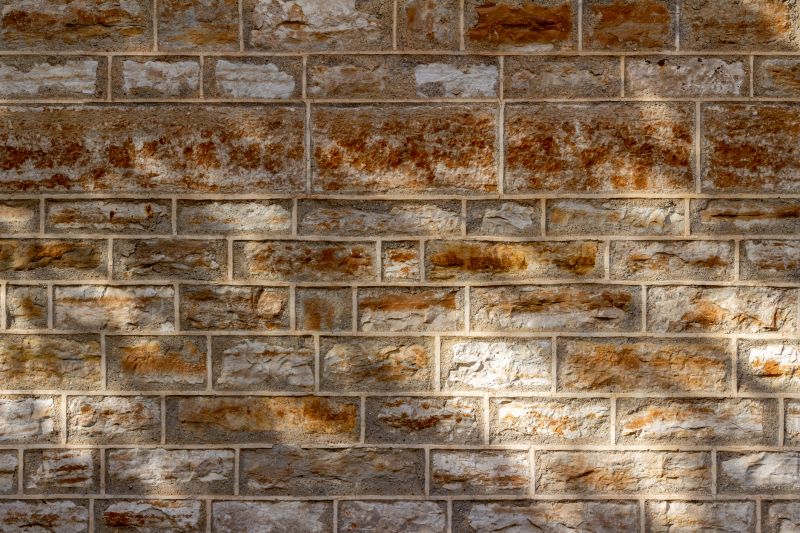
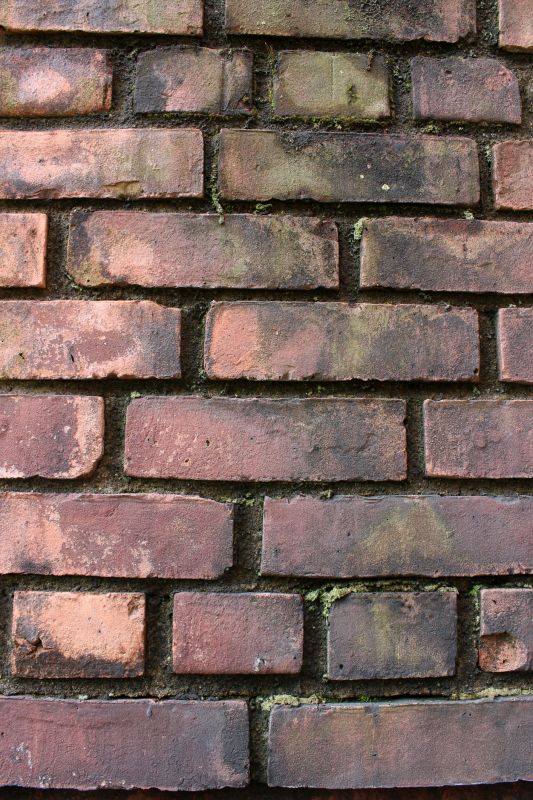
When property owners in the area consider tuckpointing for their commercial buildings, understanding the differences between brick and stone tuckpointing can impact the longevity and appearance of the structure. Brick tuckpointing often involves repairing or restoring the mortar joints of brick walls, which are common in many commercial facades. This process helps maintain structural integrity and prevents water infiltration, especially important in areas with varying weather conditions. Conversely, stone tuckpointing focuses on restoring the mortar between stone elements, which may require different techniques and materials due to the unique properties of natural stone. Local contractors can assess the specific needs of a building’s exterior and recommend the appropriate approach to ensure durability and aesthetic appeal.
Many property owners search for information on brick vs. stone tuckpointing to determine the best option for their commercial projects’ style and function. The choice often depends on the existing materials, the condition of the mortar, and the desired visual outcome. Brick work typically offers a uniform look and is easier to match in repairs, while stone can provide a more textured and historic appearance, which might be important for certain architectural styles. Local service providers are experienced in handling both types of tuckpointing, helping property owners choose the right method and ensuring the work blends seamlessly with the building’s overall design. Connecting with knowledgeable contractors can help ensure the project meets both aesthetic and structural needs.
What are the main differences between brick and stone tuckpointing for commercial projects? Brick tuckpointing involves repairing or restoring the mortar joints in brick structures, while stone tuckpointing focuses on maintaining the mortar between stone elements. Local contractors can help determine which approach best suits the building’s materials and aesthetic goals for commercial projects.
How does the material type influence the choice between brick and stone tuckpointing services? The choice depends on the original construction materials; brick requires specific mortar matching, whereas stone may need different techniques to preserve its natural appearance. Local service providers can assess the structure and recommend appropriate tuckpointing methods based on material type.
Are there different techniques used in brick versus stone tuckpointing? Yes, brick tuckpointing typically involves precise mortar replacement to match existing joints, while stone tuckpointing may include detailed work to preserve the natural look of the stones. Local pros have experience with both techniques to ensure durable and visually consistent results.
What factors should be considered when deciding between brick and stone tuckpointing for a commercial project? Factors include the building’s original materials, structural condition, aesthetic preferences, and the extent of mortar damage. Consulting with local contractors can help identify the most suitable approach for the project’s needs.
How can local pros assist in choosing the right tuckpointing service for brick or stone structures? Local service providers can evaluate the building’s materials and condition, advise on appropriate techniques, and ensure the tuckpointing work enhances the structure’s durability and appearance for commercial properties.
Understanding material differences - Property owners can explore how brick and stone materials vary in durability and appearance when planning tuckpointing projects with local contractors.
Choosing the right tuckpointing style - Recognizing whether brick or stone requires specific joint treatments helps property owners work with local pros to achieve the desired aesthetic and structural results.
Assessing project suitability - Property owners can evaluate which material type is better suited for their commercial property's needs by consulting local contractors about material compatibility and maintenance.
Ensuring long-term stability - Collaborating with local pros to select the appropriate tuckpointing approach for brick or stone can enhance the longevity and integrity of the building’s exterior.
If you are thinking about brick vs. stone tuckpointing: key differences for commercial projects for a property, this guide is meant to help you understand this topic, the typical project types, and how different options might fit your plans.
When you are ready, you can use the quote form on this page to share a few details about your project. From there, local pros can review the basics and follow up with options that match what you have in mind.